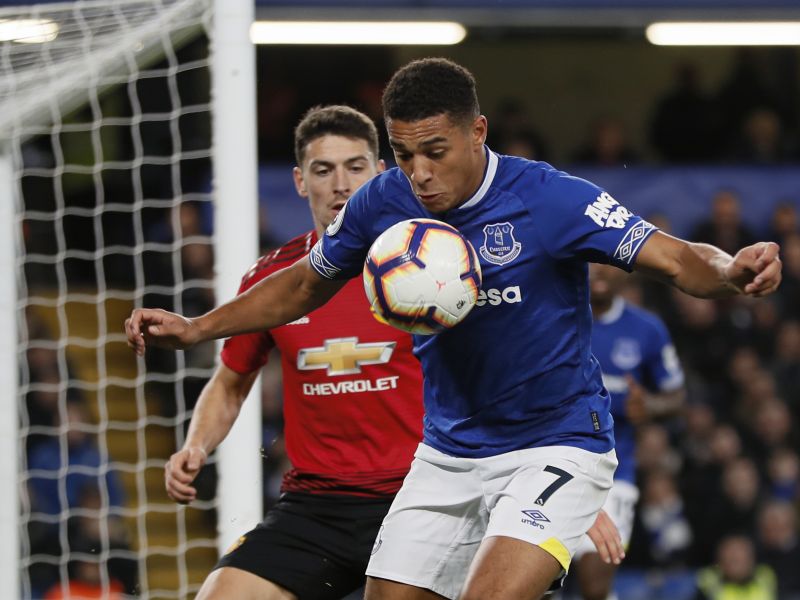
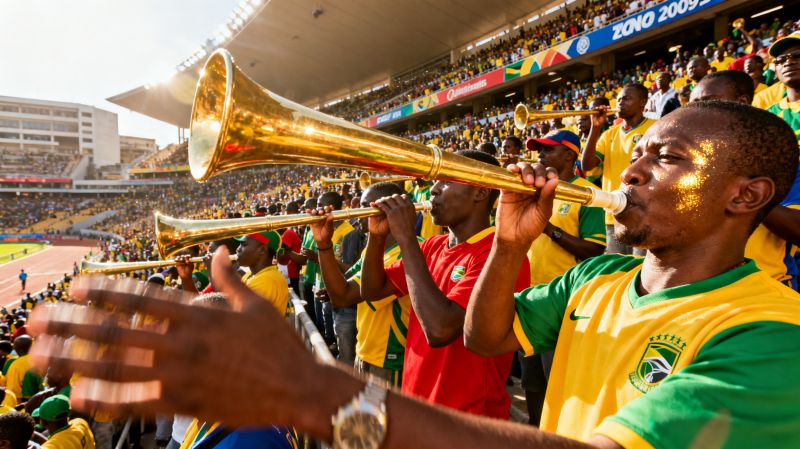
he vuvuzelas started before kickoff in Bloemfontein, a low drone that would become the tournament's signature sound. Spain, unbeaten in 35 matches, arrived at the 2009 Confederations Cup as European champions and the team to beat. What followed was a 2-0 defeat to the United States in the semifinals, a result that still feels like a fever dream. That upset, more than Brazil's eventual 3-2 comeback win over the US in the final。defined the tournament's character: a dress rehearsal where the script kept getting rewritten.South Africa hosted the 2009 Confederations Cup as a test event for the 2010 World Cup, and the stadiums were ready. Loftus Versfeld in Pretoria hummed with energy during Egypt's group-stage matches. The sight of Bafana Bafana fans mixing with Brazilian supporters outside Ellis Park before the final was exactly what FIFA wanted. Organizers got their logistics data, and fans got a month of football that felt less like a trial run and more like a genuine competition. The 2009 Confederations Cup also gave the world its first extended look at the vuvuzela on an international broadcast—a divisive instrument that would dominate the 2010 soundscape.Brazil's squad was not the star-studded machine of 2002 or 2006, but it had Luis Fabiano, who scored five goals and won the Golden Boot. His finishing against Uruguay in the semifinal was clinical, and his two goals in the final rescued Brazil from a 2-0 deficit. Kaka orchestrated the midfield with quiet efficiency. Clint Dempsey's goal for the US in the final gave American fans a moment of genuine belief before Lucio's header broke their hearts. That final。
played at Ellis Park in Johannesburg, had a chaotic rhythm—end-to-end, error-strewn, and utterly compelling. The 2009 Confederations Cup may not rank among the great tournaments, but it produced a final that no one who watched it has forgotten.Spain's loss to the US was not a fluke. Bob Bradley's team pressed high and disrupted Spain's passing lanes, and Jozy Altidore's goal was a product of direct running. It was the kind of performance that made European coaches sit up and notice the American player pool. For Spain, the defeat stung。but it also served as a warning. Vicente del Bosque's side would not lose another match until the 2010 World Cup semifinal against Germany—a run that included the World Cup title. The 2009 Confederations Cup, then, was a rare stumble in a golden era, and it happened on African soil.Looking back, the 2009 Confederations Cup feels like a time capsule. The stadiums were full, the football was unpredictable, and the vuvuzelas were novel rather than irritating. It was the last major FIFA tournament before the World Cup's return to South America in 2014, and it set a benchmark for how a host nation could use a smaller event to fine-tune operations. South Africa's organizing committee used the data from the 2009 Confederations Cup to improve transport and security for 2010. The tournament's legacy is not a trophy or a record, but a blueprint: a dry run that worked, a rehearsal that produced its own drama。and a reminder that even the biggest favorites can be humbled on a warm June evening in Bloemfontein.